Guide
How to Choose a Single Barrel Whiskey
Start with the flavor profile you enjoy, then match it to the spirit type, the proof, and the barrel’s details on the label. Every single barrel is unique, so the right bottle comes down to your taste.
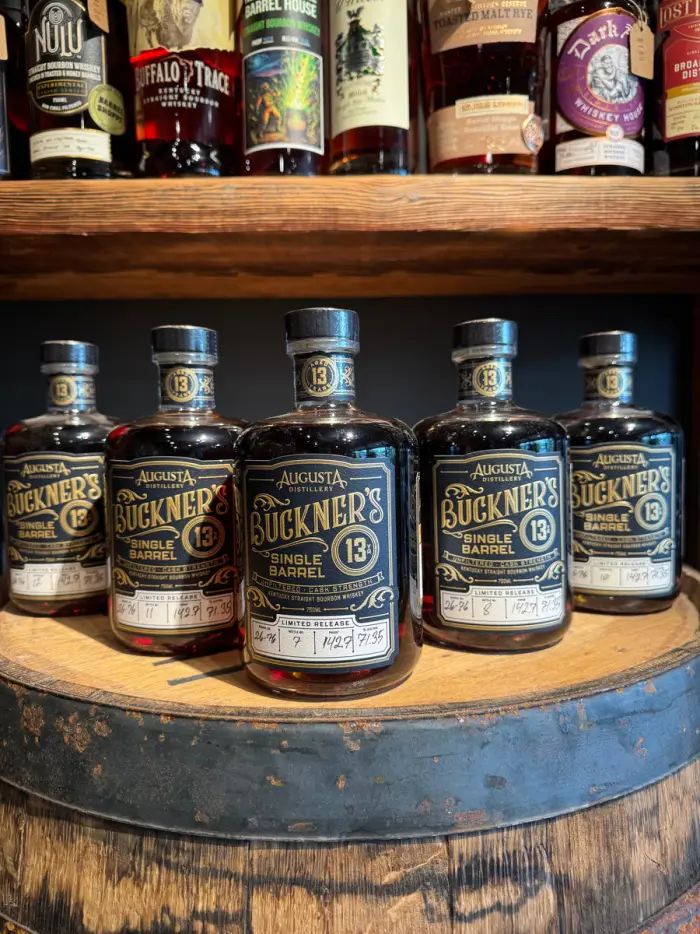
To choose a single barrel whiskey, start with the flavor profile you enjoy, then match it to the spirit type (bourbon, rye, Scotch, or agave), the proof, and the barrel’s specific details on the label. Because every single barrel is unique, the right bottle comes down to your taste and how you plan to drink it, not to any single “best” pick.
Here’s how to narrow it down with confidence, whatever spirit you’re exploring.
Start with the flavor you like
Every category leans a different direction, so pick your lane first:
- Bourbon: sweeter and rounder, with vanilla, caramel, and oak.
- Rye: spicier and drier, with pepper and baking spice.
- Scotch: ranges widely, from light and floral to rich and smoky (peated).
- Agave (tequila/mezcal): bright and vegetal when young, softer and oak-influenced when aged.
If you already know a style you love, that’s your starting point. If you’re exploring, a single barrel is a great way to taste one distillery’s character undiluted.
Decide how you’ll drink it
Match the bottle to the occasion:
- Sipping neat or on ice: reward yourself with a distinctive, higher-proof single barrel where the character really shows.
- Cocktails: a bolder, spicier barrel (often a rye or higher-rye bourbon) holds up better against mixers.
There’s no wrong choice, but knowing the use helps you narrow fast.
Consider the proof
Single barrels are often bottled at higher or barrel-strength proof, which concentrates flavor. Higher proof isn’t better or worse, it gives you more control: you can add water or ice to open a barrel-proof bottle up to taste. If you prefer an easy pour straight from the bottle, look for something closer to 90–100 proof. More on high proof bourbon.
Read the barrel details on the label
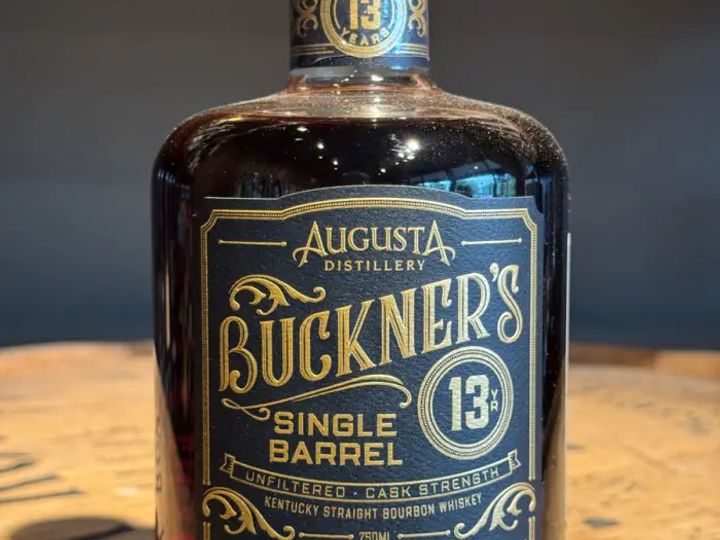
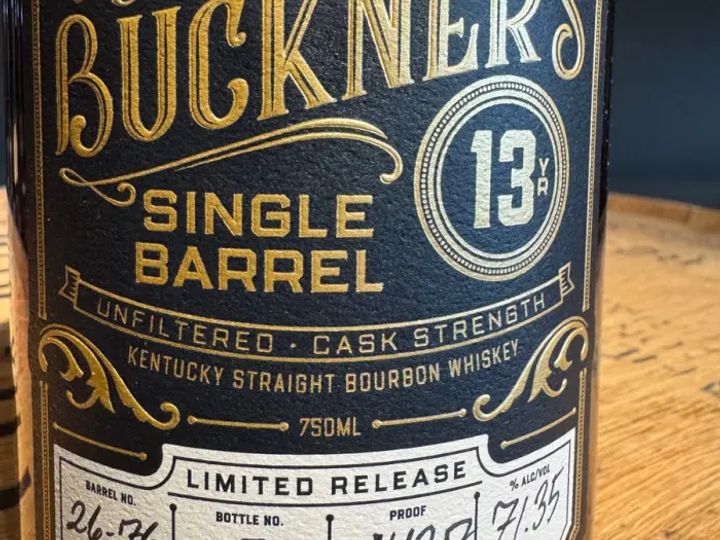
This is where single barrels reward a closer look. Labels often list the exact proof, the barrel or warehouse number, and sometimes the mash bill or recipe. Uneven proof numbers (like 114.6 rather than a round 90) usually signal a barrel-strength bottling. These details tell you what makes that specific barrel different. How to read a single barrel label walks through one.
Understand single barrel vs. standard bottlings
A standard bottling is blended for consistency, so every bottle tastes the same. A single barrel comes from one barrel only, so it carries that barrel’s unique character and won’t be exactly repeatable. If you want a distinctive, one-time pour, choose a single barrel. If you want the same taste every time, a standard bottling fits better.
Lean on the selection
A curated shelf narrows the field for you. That takes a lot of the guesswork out, especially when you’re trying a new distillery or category. Exploring a curated selection is one of the easiest ways to find single barrels you’ll love without having to chase down rare bottles yourself. The Single Barrel Explorer Club is built for exactly that.
About Barrel Shoppe
Barrel Shoppe is a curated single barrel spirit store. We carry single barrel bourbon, rye, Scotch whisky and agave spirits, so every bottle on the shelf is a distinct, limited expression rather than a standard shelf release.
Questions we get asked
How do I pick a single barrel whiskey if I’m new to it?
Start with a category you think you’ll like (bourbon for sweeter, rye for spicier), choose a moderate proof around 90–100 so it’s easy to enjoy, and read the label for the barrel’s specific details. From there, taste and adjust.
Are single barrels good for cocktails or just sipping?
Both. Higher-proof and spicier barrels hold up well in cocktails, while distinctive barrels shine when sipped neat or on ice. Match the bottle to how you’ll drink it.
What details should I look for on a single barrel label?
Look for the proof, the barrel or warehouse number, and the mash bill or recipe if listed. These tell you how strong and how distinctive that specific barrel is.
Does a higher proof single barrel mean better quality?
No. Higher proof means less dilution and more concentrated flavor, not higher quality. It also lets you add water to taste, giving you more control over the pour.