Guide
Single Barrel Whiskey: A Complete Guide
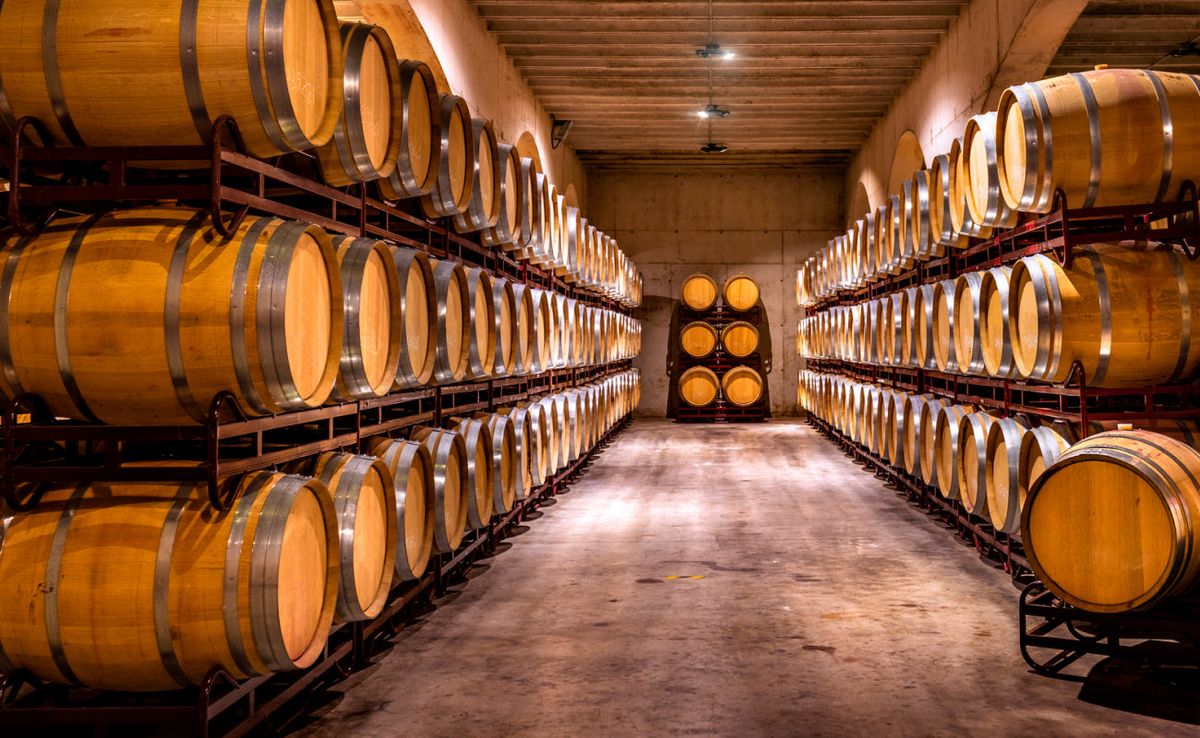
Single barrel whiskey is bottled from one individual aging barrel rather than blended from many, so each bottle carries the flavor of that specific barrel: its char level, its place in the rickhouse, and the conditions it aged through.

What is single barrel whiskey?
Single barrel whiskey refers to a whiskey that is bottled from an individual aging barrel, rather than being blended from multiple barrels. Each bottle offers a flavor profile influenced by that specific barrel: its char level, its storage location in the rickhouse, and the conditions it aged through.
At first glance that might sound like the standard process, but it is the exception in mass whiskey production. Large distilleries rely on consistency. To keep flavor uniform across thousands of bottles, they blend whiskey from many barrels, evening out the variation caused by temperature, humidity, evaporation and rickhouse placement.
Single barrel whiskey embraces that variation instead. Every barrel matures differently. Two barrels filled on the same day with the same mash bill and the same yeast strain can yield dramatically different flavor profiles.
Single barrel whiskey isn’t just about flavor; it’s about story and discovery. Each bottle is a gamble, and a potential gem.
That is what makes it rare and exciting. It represents a moment in time, a single expression that cannot be repeated. It is why private barrel selections have become prized among collectors, whiskey bars and spirits clubs. A chosen barrel becomes a signature release, exclusive to the buyers who selected it.
Why it matters: single barrel vs other types
Unlike small batch or blended whiskeys, which are blended to maintain consistency, single barrel whiskeys highlight the natural variation between barrels. It is the closest you will get to a whiskey’s pure character.
| Type | Barrel source | Flavor consistency | Batch size |
|---|---|---|---|
| Single barrel | One specific barrel | Unique to that barrel | Very limited |
| Small batch | A few selected barrels | Moderately uniform | Limited |
| Blended whiskey | Many barrels blended | Highly consistent | Mass produced |
Small batch bourbon offers more individuality than a large-scale blend while still smoothing out some of the volatility of a single barrel. It is a good choice if you want nuance (brown sugar, toasted spice, butterscotch) without the rarity or the variability of a single cask.
How single barrel whiskey is made
Six steps, and only the last two are different from any other whiskey.
- Mashing. A mash bill (the grain recipe) is built, often from corn, rye, barley and wheat.
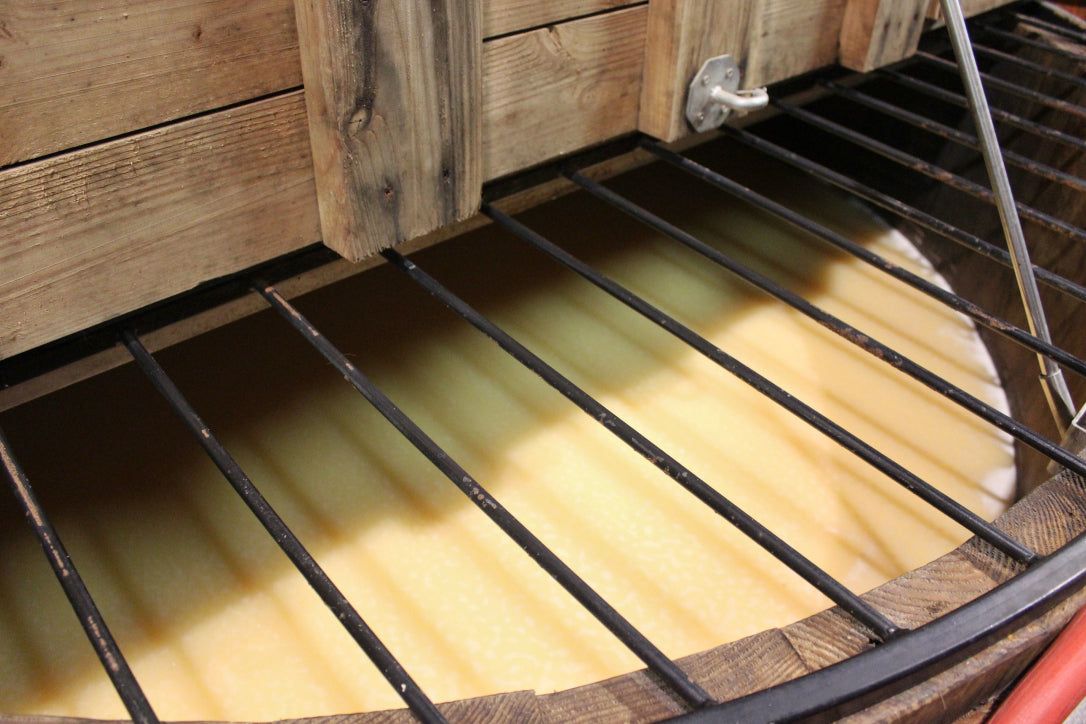
- Fermentation. Yeast is added to convert the sugars into alcohol.
- Distillation. The wash is distilled in column or pot stills to concentrate the alcohol.
- Aging. The spirit rests in a new charred oak barrel. For a single barrel, no blending happens at any point.
- Selection. The distillery sets the standard a barrel has to meet before it is bottled on its own.
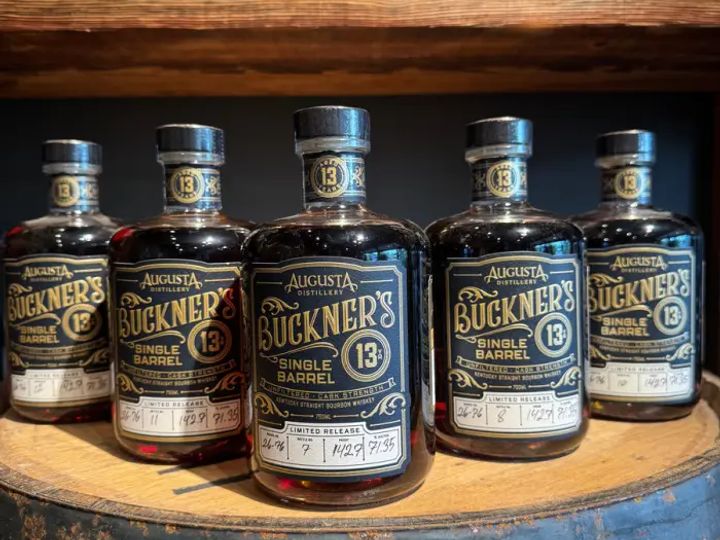
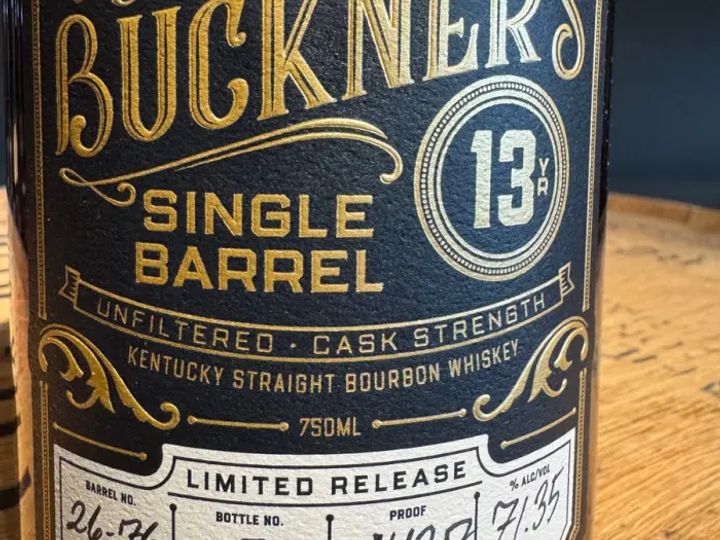
- Bottling. The contents of that one barrel are bottled on their own, usually with the barrel number and proof printed on the label.
Is single barrel bourbon the same as single barrel whiskey?
In short, yes, with a twist. All single barrel bourbons are single barrel whiskeys, but not all single barrel whiskeys are bourbons.
To be labeled bourbon, the whiskey must be made in the United States, use at least 51% corn, and be aged in new charred oak, among other requirements. So bourbon is a type of single barrel whiskey, while rye or Tennessee whiskey can be bottled exactly the same way.
Flavor profiles and tasting notes
Because of their individual aging, no two single barrel whiskeys are exactly alike. Four things to look for:
Oak & spice
From the char on the inside of the barrel.
Vanilla & caramel
From the wood sugars pulled out during aging.
Fruit & floral
From the mash bill and where the barrel sat in the rickhouse.
Heat & strength
From barrel-proof bottling, where nothing was added after the cask.
How to drink it
Neat
Best for appreciating the full complexity of the barrel.
A splash of water
Opens the aromatics and takes the edge off the burn.
In a Glencairn
The shape concentrates the nose. Ideal for tasting.
At the bar
Most of our single barrel bottles are open on the shelf. Try before you buy.
Pro tip: Always try it neat first, so you understand the full impact of that individual barrel before you change anything about it.
Questions we get asked
How do I pick a single barrel whiskey if I’m new to it?
Start with a category you think you’ll like (bourbon for sweeter, rye for spicier), choose a moderate proof around 90–100 so it’s easy to enjoy, and read the label for the barrel’s specific details. From there, taste and adjust.
Does a higher proof single barrel mean better quality?
No. Higher proof means less dilution and more concentrated flavor, not higher quality. It also lets you add water to taste, giving you more control over the pour.
Are single barrels good for cocktails or just sipping?
Both. Higher-proof and spicier barrels hold up well in cocktails, while distinctive barrels shine when sipped neat or on ice. Match the bottle to how you’ll drink it.
What details should I look for on a single barrel label?
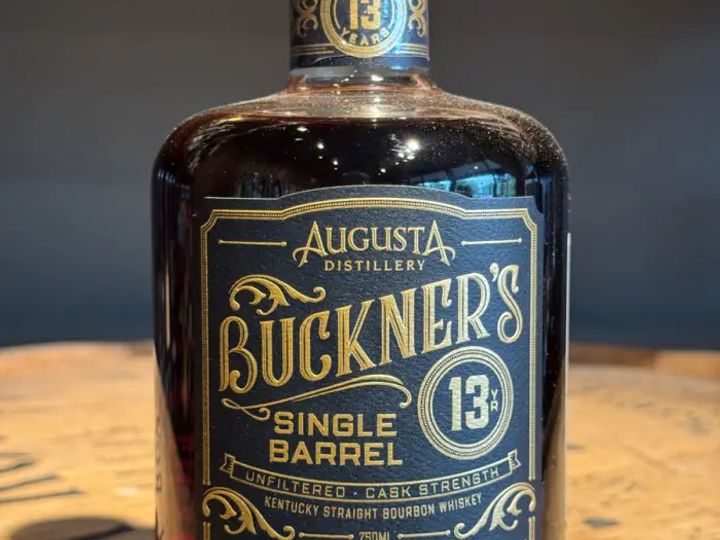
Look for the proof, the barrel or warehouse number, and the mash bill or recipe if listed. These tell you how strong and how distinctive that specific barrel is.
Discover our Shoppe Exclusive bottles
We work directly with distilleries to choose the bottles we sell under our own label, and sometimes a whole barrel. Once a pick runs out, it is gone.
Latest single barrel picks
See more
121 proof750 ml
$99In stock