Guide
How to read a single barrel label
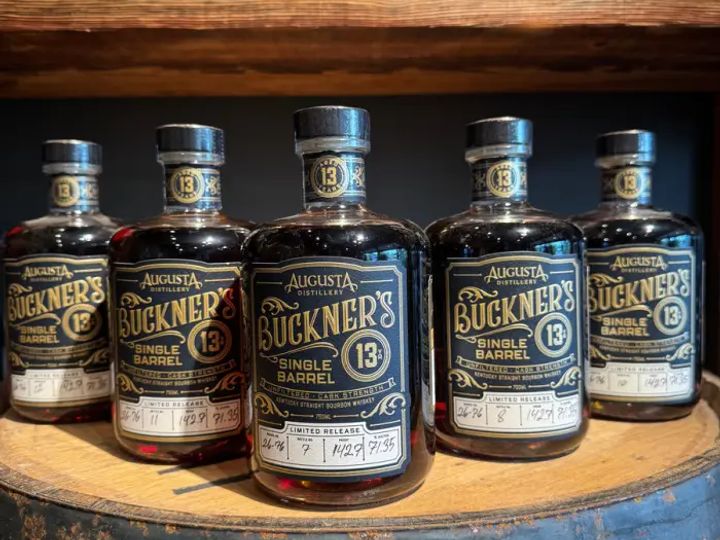
Barrel number, proof, age and bottle number. Four lines that identify the exact cask in your hand and tell you whether anything was added to it.
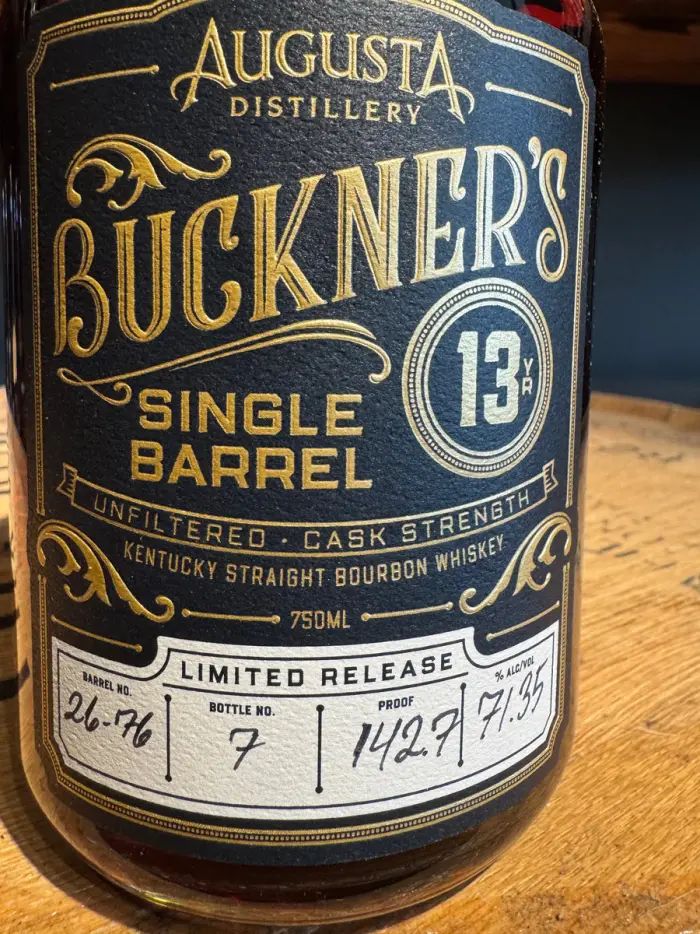
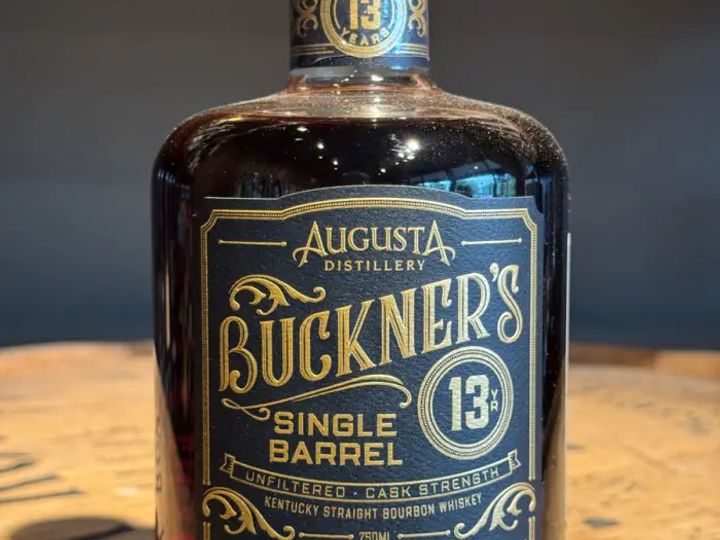
A single barrel label tells you more than a standard bottling does, because there is more that is specific to tell. Look for four things: the barrel or warehouse number, the proof, the age if one is stated, and the bottle number. Together they identify the exact cask in your hand and distinguish it from every other bottle of the same name.
Here is what each line means and what it is actually telling you.
Read it in this order
- The brand and expression. What it would be regardless of which barrel it came from.
- The barrel or warehouse number. Which cask. This is the line that makes the bottle unique.
- The proof, and the ABV beside it. How strong, and whether anything was added.
- The age statement, if there is one. How long it sat in that cask.
- The bottle number. Which bottle out of how many the barrel yielded.
The barrel number
This is the line a standard bottling cannot carry. It identifies the individual cask, and sometimes the warehouse and floor it aged on, which matters more than it sounds: the same whiskey ageing on a hot upper floor and a cool lower one comes out differently.
Two bottles of the same expression with different barrel numbers are two different whiskeys. When the barrel is empty that number is finished, which is why a pick you liked cannot simply be reordered.
Proof, ABV, and why the number is uneven
In the United States proof is exactly twice the alcohol by volume. 100 proof is 50% ABV. Both figures usually appear on the label, saying the same thing twice.
The useful detail is whether the number is round. A whiskey bottled at 80, 90 or 100 proof was proofed down with water to hit that figure. A whiskey bottled at 114.6 was not. An uneven proof is the clearest signal on the label that you are holding a barrel-strength bottling, and it is worth looking for before any of the marketing language.
- Barrel strength or cask strength: bottled at or near the strength the cask reached, usually 110 to 140 proof.
- Bottled-in-bond: exactly 100 proof, under a federal standard that also governs age and origin.
- Hazmat: 140 proof or above, which is the limit for carrying a bottle on a commercial flight. Shop hazmat bottles.
Age statements
An age statement refers to the youngest whiskey in the bottle. On a blended bottling that is a meaningful constraint. On a single barrel there is only one whiskey in the bottle, so the number is simply how long that cask sat.
No age statement does not mean young whiskey. It does mean the distillery decided not to tell you, and on a single barrel that is worth noticing, because the information exists.
Bottle number, and what it tells you about scarcity
Many single barrels are numbered by bottle: 47 of 192, say. That second figure is the yield of the whole cask, and it is the most honest scarcity signal on the label. A barrel yielding under 150 bottles is either small, old, or both, because a cask loses volume every year it sits.
Three things that are not the same
These get used interchangeably on shelf tags and they mean different things:
- Single barrel: one cask, bottled on its own.
- Small batch: a limited number of casks blended together. Not legally defined, so the number varies enormously between brands.
- Single malt: one distillery, 100% malted barley. Usually blended across many casks. A single malt can also be single cask, and most are not.
Store picks and exclusives
When a bottling is tied to a particular shop, the label usually says so, along with the shop name. The barrel number and proof still do the real work of identifying it. Browse our single barrel picks.
Questions we get asked
What does the barrel number on a bottle mean?
It identifies the exact cask the whiskey came from. Two bottles of the same expression with different barrel numbers are different whiskeys, and once that barrel is empty the number is never used again.
Why is the proof an uneven number like 114.6?
Because nothing was added to round it off. A barrel-strength whiskey is bottled at whatever strength the cask reached, so the number lands wherever evaporation and ageing left it. A round 80 or 90 proof means water was added to hit that figure.
What is the difference between proof and ABV?
In the United States proof is exactly twice the alcohol by volume, so 100 proof is 50% ABV and 114.6 proof is 57.3% ABV. Both usually appear on the label and they say the same thing twice.
Does a single barrel always have an age statement?
No. When one appears it refers to the youngest whiskey in the bottle, which on a single barrel is the whole barrel. No age statement does not mean young, but it does mean the distillery chose not to tell you.
What does barrel strength mean on a label?
That the whiskey was bottled at or very near the strength it reached in the cask, with little or no water added. Cask strength means the same thing and is the more common term on Scotch.
Is single barrel the same as single malt?
No, and the two get confused constantly. Single barrel means one cask. Single malt means one distillery and 100% malted barley, and most single malts are blended across many casks. A whisky can be both, and most are not.
Latest single barrel picks
See more
121 proof750 ml
$99In stock